)
)
)
Franchise Development Needs More Than One Channel
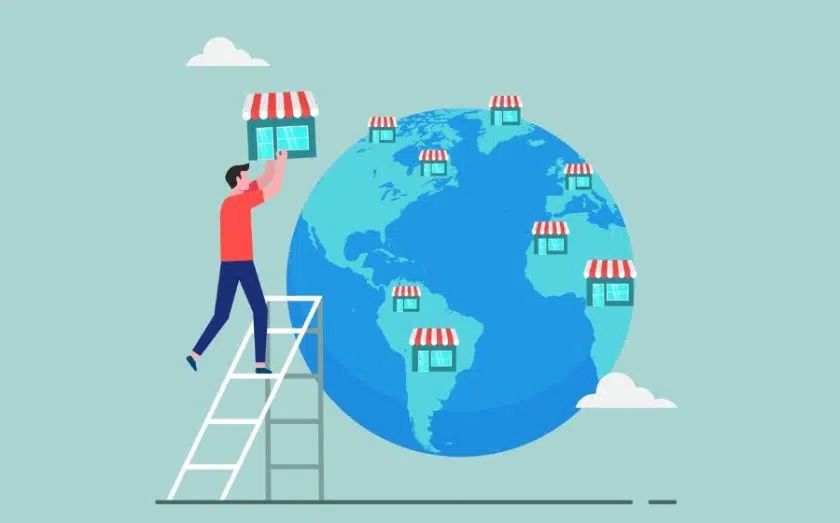
Diversified Candidate Sources Can Help Brands Grow Without Losing Fit
Most franchise development conversations start the same way: How do we find more candidates? It’s a reasonable question, but it’s also an incomplete one.
I’ve spent more than 45 years in franchise development working with brands across industries and at different stages of growth. The systems that consistently expand – not only in the good years, but through market shifts and category disruptions – don’t treat growth as a single pipeline source. They treat it as a portfolio, and for many franchisors, that shift in thinking is overdue.
One Channel Means One Ceiling
Relying on a single development channel – whether that’s a portal or another third-party lead generation service – isn’t wrong. Those channels produce results, but each has a ceiling.
I’ve watched strong development teams get caught flat-footed when their primary portal stops producing, because of an algorithm change, a category getting more crowded or even a shift in how candidates research opportunities (just look at how AI is already influencing candidate research). The pipeline that looked healthy six months ago can suddenly look thin. The brand hasn’t changed, but the growth strategy turned out to be more fragile than it appeared.
There’s a more subtle issue too. When most of your deals come from one source over time, your entire development process begins to center on the candidates that source delivers. Your messaging, qualification criteria and even discovery experience quietly optimize for a narrow candidate profile. You may be missing strong candidates who come through channels your sales funnel wasn’t built to recognize.
The fix isn’t abandoning that existing lead generation strategy, but treating it as one component of a broader development plan.
Your Best Next Franchisee Might Already Be in Your System
Before looking externally for new franchisees, start by looking at the owners already in your system.
Multi-unit growth from existing franchisees is the most underutilized channel I’ve seen across the industry. These owners already know the brand. When they expand, onboarding is faster, and the risk profile is lower. The challenge is that not every high-performing franchisee is a good expansion candidate, and conflating the two is one of the more costly mistakes a development team can make.
The franchisees who scale successfully have built businesses that run on systems and people, not on their own constant presence. Their results are replicable because they aren’t the key variable. Development teams that learn to identify that distinction before awarding a new unit or territory protect the franchisee and the brand. A practical starting point is to review your top-quartile franchisees through the lens of expansion readiness and not just unit performance. The two lists will likely overlap, but they won’t be identical.
The Independent Operator Conversation You’re Probably Not Having
There is another growth channel many franchise systems treat as an afterthought. That’s the independent operator already succeeding in your category.
In industries where independents hold meaningful market share – including fitness, personal services, education, home services and experiential retail – there is a substantial pool of business owners who have done something genuinely hard. They built a customer base and figured out how to deliver a service locally that people want time and again. What they often lack is purchasing scale, marketing infrastructure, an optimized tech stack and a peer network of operators who have already solved the problems they’re working through alone.
The conversion conversation is not a rescue discussion. A successful independent owner doesn’t think of themselves as someone who needs saving. The right framing is what becomes possible with a recognizable brand, group buying that lowers cost structure and corporate, as well as fellow franchisee support available when they’re navigating a staffing challenge, lease renewal or slowing revenue stream.
At Arthur Murray – a legacy franchisor that’s been franchising for nearly 90 years – we recently opened franchise opportunities to qualified candidates from outside the system for the first time in the brand’s history. We recognized that keeping development closed to one profile would slow growth and limit opportunities to great candidates outside the brand. If your category has a meaningful independent operator base and you’re not having these conversations, you’re leaving a channel untouched.
Diversify How You Grow Without Compromising What You’ve Built
The concern I hear most often is about culture. Many franchise development leaders are concerned that bringing in different types of franchisees, through new channels, will change the brand. It’s a fair point and worth scrutinizing, but it needs to be addressed.
I’ve watched brands pay for this uncertainty in two main ways. Some hold on so tightly to how growth has always happened that they miss entire categories of qualified candidates. Others diversify without guardrails and award to franchisees who weren’t a good fit from the start, which creates operational problems that prove very costly. Neither outcome serves the system well.
The franchisors that get it right articulate explicitly – and unapologetically – what the brand requires from an operational, culture and financial standpoint. Then, they evaluate every candidate from every channel against that same standard. The channel becomes less important than the question of fit.
The best development strategies don’t start with a channel. They begin with clarity about what the brand genuinely requires, what success looks like across different operator profiles and where underserved growth potential lives.
With that foundation in place, the question is no longer about where do we find more candidates, but rather, becomes which of the channels available to us are we not using, and why? The brands that ask it seriously usually find that the growth they were seeking was never out of reach. It was just outside the lens they were using to find it.